
The creation of video games exists as a distinct subculture within the realm of software development. Game developers operate within a unique framework where coding and artistry intertwine, crafting interactive realms that entice thousands of players to immerse themselves for countless hours. This ability to captivate is nothing short of magical.
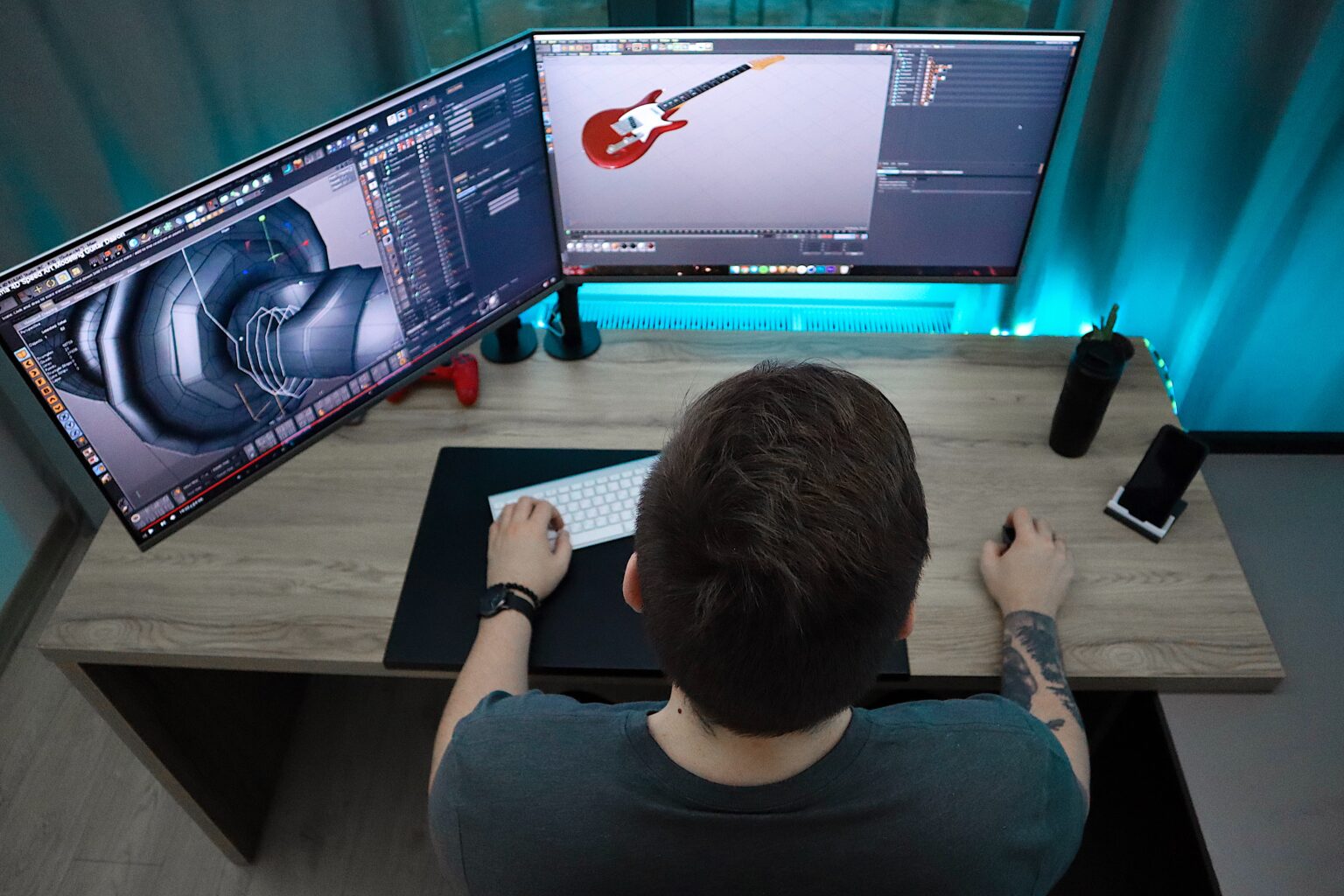
The creation of video games exists as a distinct subculture within the realm of software development. Game developers operate within a unique framework where coding and artistry intertwine, crafting interactive realms that entice thousands of players to immerse themselves for countless hours. This ability to captivate is nothing short of magical.
However, the development of video games is far from haphazard or spontaneous. Instead, it follows well-defined workflows, much like any efficiently managed industry. While creative insights and epiphanies frequently occur for game creators, they primarily manifest in the realm of game art design rather than in the development process itself.
To truly grasp the intricacies of video game creation, let’s delve into the behind-the-scenes aspects. By exploring the stages of game development, we gain a deeper understanding of the technological wizardry that compels millions of gamers to invest their time and money in virtual experiences that reside at the intersection of art and software.
What Does Video Game Development Entail?
In essence, video game development is the intricate process of creating and bringing a new video game to the market. It involves a comprehensive production pipeline where a collaborative team of designers and developers undergoes various stages to transform a game idea into a polished commercial product.
This well-organized pipeline operates as a structured workflow, ensuring that every member of the creative team understands their roles and responsibilities. Scriptwriters, artists, designers, programmers, producers, engineers, and managers all play integral parts in the game development process, collectively contributing to its success.
While game developers are well-versed in the intricacies of video game creation, many customers and gamers have limited knowledge of how a new game comes to life. The development timeline and budget often remain outside their purview. Additionally, distinguishing between game development and game design can be challenging for ordinary players, as the former encompasses the latter.
Game design encompasses the overarching vision, including the storyline, aesthetics of gameplay, characters, and in-game items. Game development brings all these creative aspects together, resulting in a cohesive and comprehensive product. Regardless of whether it’s a high-budget console shooter, an independent online game, or a mobile puzzle, the fundamental approaches to game development remain similar. The journey starts with conceptualizing the idea and concludes with post-release endeavors. But let’s explore these steps in more detail.
The Journey of Game Development: Exploring its Stages
Within the realm of video game development, most developers acknowledge three primary stages: pre-production, production, and post-production. These stages consist of various sub-stages, which can vary based on the type and complexity of the game at hand. To gain a comprehensive understanding, it is prudent to examine these stages through the lens of a sophisticated, high-class game in development.
Pre-production
It all begins with the seed of a new game idea, serving as the foundation for what lies ahead. This raw material, often originating from a customer but not exclusively, acts as a catalyst for the creative team to shape the rest of the project. Sometimes, a customer may only propose a game type within a preliminary budget, allowing the creative team to take charge of the remaining aspects. It’s fortunate when a customer provides a storyline or defines the desired technology platform (console, desktop, online, mobile, etc.) for the game.
To establish a comprehensive concept for the game, both the customer and the development team must seek answers to fundamental questions. The more detailed the responses, the clearer the development agenda becomes:
- What is the game world like? In other words, what is the genre, plot, and approximate gameplay?
- Who is the target audience, and what is the estimated market size?
- Which platform will the game be published on?
- What is the competitive landscape? Are there existing titles similar to the proposed game?
- Is the estimated budget sufficient for completing the development, or will additional investment be required?
- What is the preliminary timeframe for game development?
- What is the required team composition?
- What monetization method will be employed for the game?
At this stage, the entire creative team need not be involved. A production manager, conceptual artist, digital designer, and programming engineer can collaboratively handle this phase of game development alongside the customer. The collected findings lay the foundation for a crucial document that outlines the course of future developments.
Game Design Document (GDD)
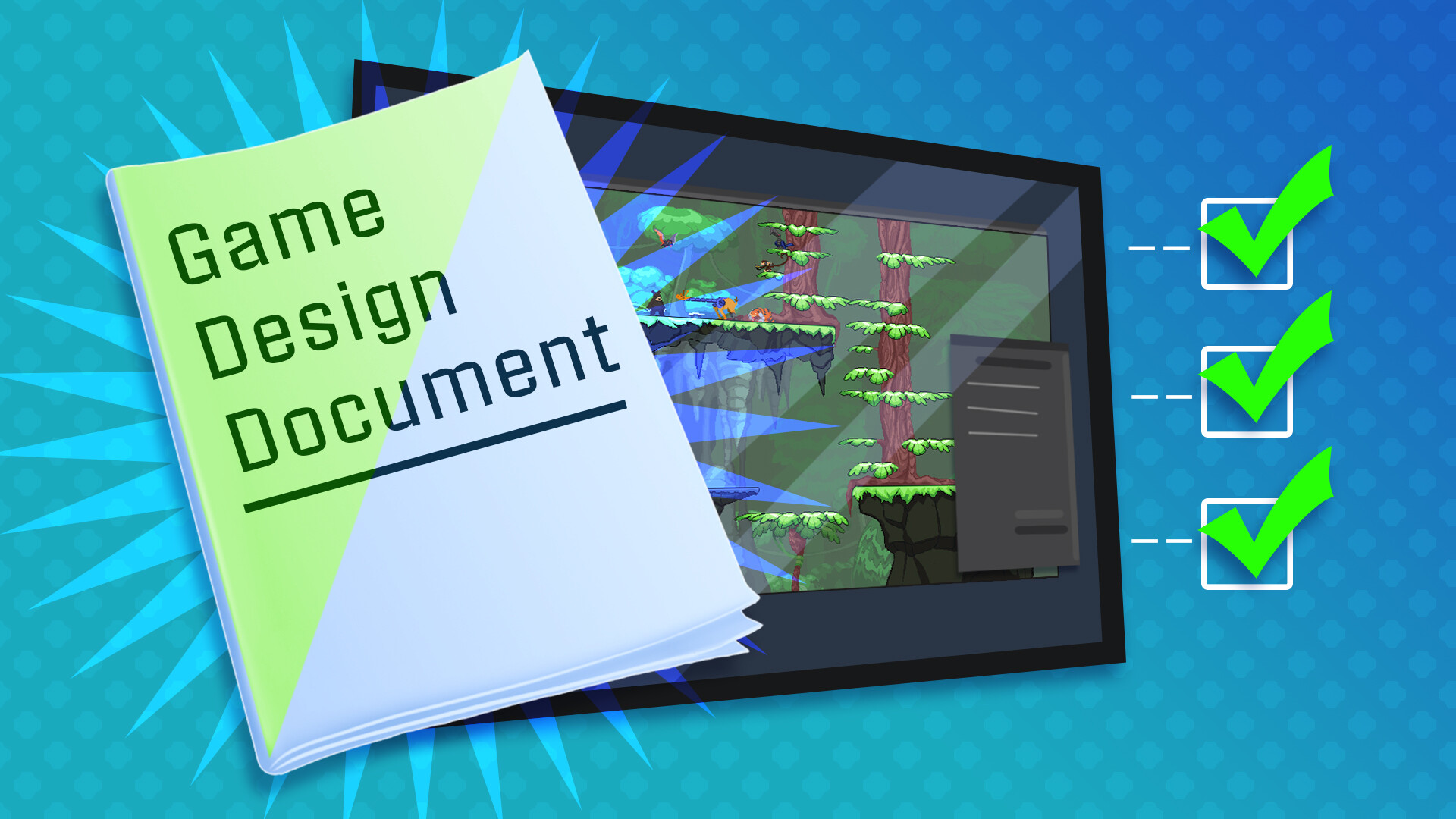
The Game Design Document (GDD) encompasses all the essential details that provide the entire team with a comprehensive vision for the game. It serves as a general plan that guides the creation of the game. This document marks the culmination of the pre-production stage in game development and covers a range of crucial aspects, including:
- The conceptual idea;
- The chosen technology and genre;
- The core mechanics;
- The intricate plot and compelling characters;
- The immersive in-game environment and captivating levels;
- The storyboard and initial art sketches;
- The development roadmap;
- The business strategy, including monetization methods.
Furthermore, the Game Design Document (GDD) can specify the essential team structure and create methods of coordination among different experts and departments. It is important to note that the GDD is not set in stone and will likely undergo multiple changes and refinements throughout the dynamic process of game development. Nonetheless, the GDD serves as a vital tool in ensuring the project stays on track with regards to the timeline and budget.
Furthermore, the Game Design Document (GDD) can specify the essential team structure and create methods of coordination among different experts and departments. It is important to note that the GDD is not set in stone and will likely undergo multiple changes and refinements throughout the dynamic process of game development. Nonetheless, the GDD serves as a vital tool in ensuring the project stays on track with regards to the timeline and budget.
Once the GDD is finalized and shared with the entire team, it signifies the transition to the next sub-stage within the pre-production phase of game development.
Prototyping
While everything may seem flawless on paper, it is essential to assess the viability of seemingly brilliant ideas before diving into production. Testing general mechanics, user experience, functionality, and character art concepts early on can help identify any potential issues. This is where the prototyping substage comes into play.
Prototyping serves the purpose of determining whether the game lives up to its initial promise in terms of excitement. It also allows for the early detection of unforeseen challenges that may arise during game development. In essence, prototyping goes beyond theoretical concepts (no matter how well-documented they may be) to provide a tangible experience and avoid wishful thinking.
Prototyping is most effective when initiated promptly after the Game Design Document (GDD) is finalized. Leveraging ready-to-use, low-quality assets, known as placeholder assets, can save both time and money during the prototyping phase. These simple shapes, such as props and weapons, can be readily purchased or found online for free. They serve the sole purpose of prototyping and will be replaced by high-quality custom assets during production.
The duration of the entire pre-production stage varies depending on the complexity of the project, ranging from weeks to a year. Once prototyping confirms that the future game can meet expectations overall, the team can proceed to the most challenging phase of video game development.
Production
The production phase of game development is undeniably the most intense and dynamic. Even if everything appears suitable during pre-production, production often involves a process of trial and error. The creation of 2D/3D graphics and visual effects occupies a significant portion of the workload, encompassing the development of characters, in-game objects, locations, and user interface elements. Numerous iterations occur as game assets are refined to align with the intended game style and the Game Design Document (GDD).
Programmers enter full force, focusing on establishing interactions between the game world and players. They utilize existing game engines or develop custom ones to achieve seamless playability.
Sound engineers and actors work together to create soundtracks and audio effects, breathing life into each game character. VFX experts contribute to enhancing the realism of game assets. In essence, the entire team actively engages in the game development process, adhering to their predefined roles and responsibilities.
The production workflow progresses through several significant milestones:
First playable: This stage replaces placeholder assets with high-quality custom ones and enriches characters and props with artwork. While it is still far from the final version, it provides a clearer representation of the game concept compared to the prototyping phase.
Fully playable sample: A short, fully playable version is created to allow investors, shareholders, or studios to experience the game firsthand and grasp its essence. The duration of this sample typically does not exceed several minutes of gameplay.
Pre-Alpha: At this point, game creators aim to solidify the overall vision of the entire game and introduce its content into upcoming development stages. Pre-Alpha signals that no significant changes in gameplay are anticipated beyond this stage.
Alpha: Alpha represents the milestone when a fully playable version of the game is achieved, encompassing the entire gameplay experience from beginning to end. It ensures smooth operation of game mechanics and all functions, although there may be a need to incorporate additional assets and elements. This stage allows QA engineers to conduct comprehensive testing to assess the game‘s functionality.
Beta: With all assets and elements integrated, the creative team refines various technical and aesthetic aspects of the game while keeping gameplay alterations to a minimum. A selected test audience can provide user feedback during the Beta phase, aiding the development team before the final version is released.
Final release: This stage represents the completion of all stages of video game development, signifying that the game is ready for publication.
Testing
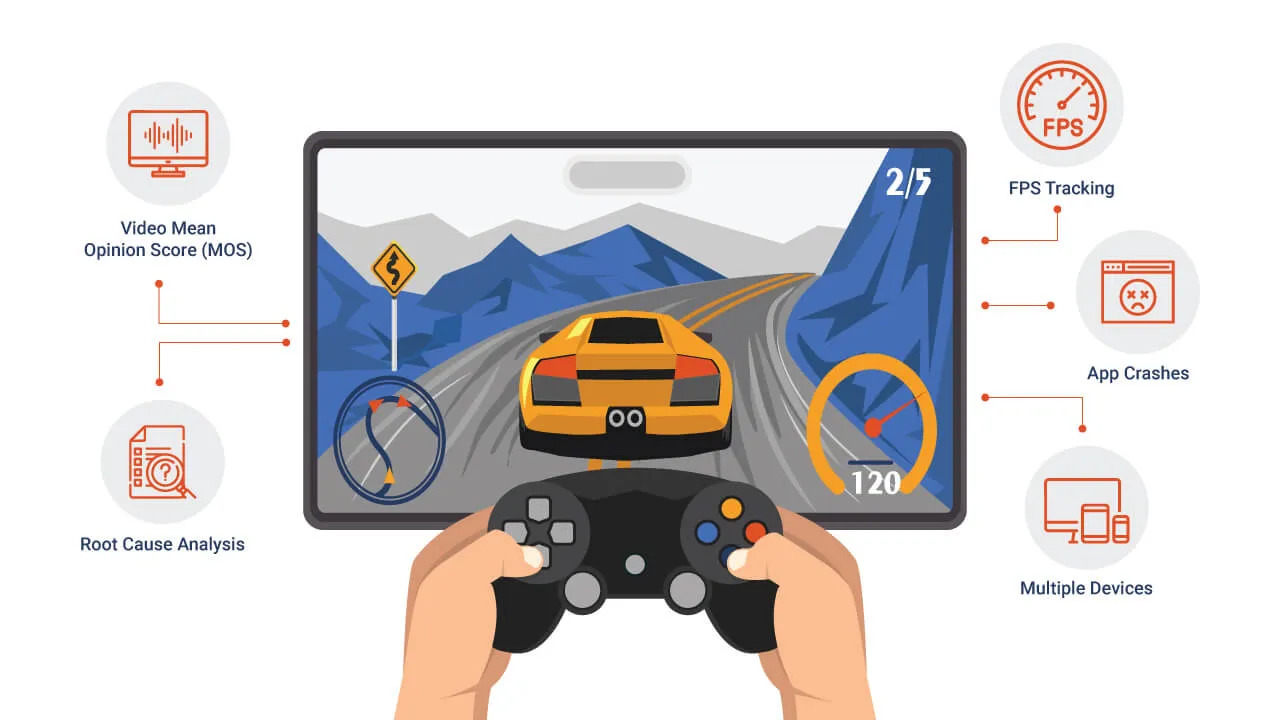
Testing game elements and functionalities is an ongoing process that takes place at different levels throughout all stages of game development. QA engineers play a vital role in this endeavor, with the majority of their responsibilities concentrated in the production phase. Their primary focus lies in testing game mechanics and functionalities during the pre-Alpha and Alpha stages. In the Beta stage, the game’s overall playability is subjected to extensive stress testing. Game testing aims to address numerous quality-related questions, including:
- How well are all elements rendered on the screen?
- Are there any bugs or glitches in the game environment?
- Can players exploit unusual behaviors like walking through walls?
- Are there elements within the game that players can misuse?
- Do the movements and dynamics of characters appear natural and immersive?
- Are in-game dialogues relevant and engaging, rather than tedious?
A QA team consists of several specialists, each with specific roles. One may focus on conducting stress tests to push the game’s limits, while another assesses the game’s overall difficulty to ensure it strikes the right balance. Additionally, testers thoroughly examine audio effects for any bugs or discrepancies. The testing stage in game development holds immense importance and cannot be underestimated. Ultimately, quality assurance helps players ensure that the game is truly worth its value.
Pre-Launch
The pre-launch stage of game development typically involves the release of a Beta version to a select group of limited public users. Game developers allow the game to venture beyond their internal circle, seeking feedback from external users prior to official publication. The scale of the pre-launch phase depends on the studio’s marketing budget, with a greater budget enabling a more diverse audience to test the game.
The primary objective of the pre-launch stage is to answer a crucial question: Does the game deliver the same level of excitement to players as anticipated by the creators? External confirmation becomes essential in this regard. Often, a promotional video showcasing gameplay snippets is released to capture the attention of publishers. Public gaming-related events serve as effective platforms for attracting gaming-industry experts, professional players, bloggers, and journalists to experience the new game firsthand. Their perspectives can be unexpected and varied, providing game creators with valuable insights and potential concerns. Pre-launch always poses a psychological challenge for any game development company, irrespective of the budget allocated for promotion. It is during the pre-launch phase that the necessary period to transform the Beta version into the final release is determined, taking into account the required adjustments based on public feedback.
Launch
The launch event is a moment of relief for game developers, signifying the completion of their efforts. However, it does not imply idleness between the pre-launch and launch stages of game development. The team primarily focuses on addressing recently discovered bugs and issues. In some cases, the release date may need to be postponed due to technical challenges identified by external users during the pre-launch phase. Furthermore, refining game elements to achieve greater perfection is always beneficial if time allows.
It’s important to note that the game development process doesn’t conclude with the game’s publication. A post-launch stage of game development still awaits completion.
Post-launch
In most cases, if not all, the post-launch stage of game development tends to be the longest among the various stages. In fact, post-release activities span the entire lifespan of the game, albeit to varying degrees. Despite efforts to address and fix bugs during the pre-launch phase, minor issues may still be present in any game. The broad player community often uncovers additional minor bugs after the game’s release. Therefore, the development team engages in long-term support activities to resolve various technical issues once all preceding stages of game development are completed.
Another ongoing aspect of the post-launch stage involves the release of software updates, patches, and downloadable content for the game. New levels, assets, storylines, and even characters may be introduced over time. The extent of these updates depends on the level of communication and interaction between the game studio and the player community. In the case of mass-market games, gameplay cannot remain stagnant, especially considering crypto-based metaverses where the continuous evolution of in-game items can be facilitated through NFT-wrapped content.

Essential Roles in Game Development
A comprehensive game development team consists of diverse specialists, each playing a crucial role in every stage of the game development process. The size and composition of the team are determined by the scale of the project. Additionally, core teams may collaborate with external outsourcing studios to handle specific aspects of the development process. Nevertheless, the following roles highlight the individuals required to drive the video game development process towards a successful completion.
- Game Engineers
Game development programmers possess unique qualities and skills that set them apart from programmers in other domains. In addition to their understanding of game logic and mechanics, they are proficient in creating custom game engines, among other specialized knowledge. They are well-versed in coding for specific hardware, such as joysticks and consoles, taking into account the intricacies associated with these platforms. Their programming creativity enables them to contribute fresh ideas for implementing and modifying interactive visuals. These programmers bring design concepts to life by translating them into executable code and ensuring impeccable playability of the game through their diligent efforts.
- Game Artists
The term “game artist” encompasses a broad range of expertise and responsibilities within the field of game development. Game artists specialize in various areas based on their skills and roles. For instance, concept artists contribute to pre-production by creating 2D sketches and storyboards. 3D modelers utilize visualization software to craft objects, props, and environments, which are then further enhanced through coloring, texturing, and animation. Animators bring life to in-game objects and characters, infusing them with motion. VFX artists, on the other hand, enhance the overall visual experience by incorporating effects, such as simulations of fire, rain, explosions, smoke, and more. Collectively, game artists bestow a lifelike sense of believability to the game, regardless of its grandeur.
- Game Designers
Game designers possess a unique set of skills, combining seemingly contrasting capabilities. They are either scriptwriters with programming acumen or programmers with a creative flair for storytelling. Above all, they serve as the creative driving force behind the game development process. Game designers are responsible for conceiving the elements that constitute the game itself: the storyline, characters, objects, environments, challenges, obstacles, and rules. They craft engaging dialogues and intricate backstories, determine the complexity of levels, and devise interactions between the game world and its future players. However, their imaginative ideas are always grounded in the existing technological possibilities of software development. This distinction sets professional game designers apart from mere visionaries.
- Sound Engineers
Sound engineers, also known as audio designers, collaborate closely with composers and actors to incorporate music and sound effects into the game. Soundtracks, dialogue, and various audio recordings play a crucial role in creating a powerful emotional impact on players and shaping their perception of the game. By skillfully applying relevant audio effects, sound engineers can evoke suspense and enhance the immersive experience, even if the visual elements may have limitations. Their expertise in sound design enriches the game and contributes to its overall audio-visual appeal.
- Project Managers
Project managers play a vital role in establishing and upholding the cohesive framework of the entire game development process. They act as the connecting thread, preventing the divergent priorities of all involved parties from disrupting the workflow. Project managers skillfully align the ambitions and intentions of the customers with the capabilities and opportunities of the developers. With excellent communication skills and specialized management responsibilities, they serve as superconductors, facilitating seamless interactions among team members. It is widely recognized that the professionalism of a project manager directly correlates with the smoothness of the game development process.
- QA Specialists
QA specialists, also known as video game testers, subject everything created by others to rigorous scrutiny. Their critical role ensures that no game is released without addressing the issues they uncover. The more bugs and errors testers identify before the game’s release, the better the overall gaming experience and, consequently, the game’s commercial success. The bug reports provided by testers at every stage of video game development hold immense value for the entire team and their efforts should not be underestimated.
Conclusion
By examining the game development process step by step, one gains insight into why video games demand the significant time and financial investments often required from developers and investors. Understanding the sequence of game development phases and the roles played by different game creators enables customers and players to grasp the intricate process of creating video games. This knowledge serves as a preventative measure, addressing potential perplexities that may arise in relation to game development. For instance, the timeline of the video game development process is determined by the necessity to meticulously complete each stage; none can be skipped, disregarded, or downscaled. Appreciating the comprehensive nature of game development allows for a deeper appreciation of the time and effort involved in bringing a video game to life.