

The gaming industry has always been at the forefront of technological advancements, pushing the boundaries of what is possible. One such breakthrough is the emergence of generative artificial intelligence (AI) technologies, which have revolutionized the gaming experience. Generative AI enables game developers to create dynamic, immersive worlds, characters, and narratives that respond and adapt to player interactions. In this article, we will explore the technology behind generative AI, its key features, notable examples in games, and the promising perspectives it offers to the future of gaming.
Understanding Generative AI

The generative AI market is on the verge of a significant turning point, currently valued at USD 8 billion and projected to grow at a compound annual growth rate (CAGR) of 34.6% by 2030. As the job market faces a potential deficit of over 85 million unfilled positions, there is a growing need to leverage AI and automation to enhance operational intelligence and deliver the efficiency, effectiveness, and experiences that businesses demand. Generative AI offers a promising opportunity to augment employee efforts and increase productivity within enterprises, thereby addressing these challenges.
Generative AI, as its name implies, is a technology that creates new content such as images, music, speech, code, video, or text by interpreting and manipulating existing data. While generative AI is not a novel concept, the machine learning techniques supporting it have undergone significant advancements in the past decade. The latest approach in generative AI is based on a neural network architecture known as “Transformers.” By combining transformer architecture with unsupervised learning, powerful foundation models have emerged, surpassing previous benchmarks and demonstrating the capability to handle diverse data modalities effectively.
These foundational models, aptly named, provide the initial building blocks for the creation of advanced and intricate models. By leveraging a foundation model as a starting point, we can develop specialized and sophisticated models that cater to specific domains or use cases. Early examples of such models, including GPT-3, BERT, T5, and DALL-E, have demonstrated the immense potential of generative AI. With a brief prompt as input, these systems can generate complete essays or intricate images based on the given parameters, showcasing the remarkable capabilities of generative AI technology.
Large Language Models (LLMs) undergo explicit training using extensive text data for Natural Language Processing (NLP) tasks, boasting a substantial number of parameters, often exceeding 100 million. These models play a crucial role in processing and generating natural language text for various tasks. It is important to note that each model possesses its unique strengths and weaknesses, and the selection of an appropriate LLM depends on the specific NLP task at hand and the characteristics of the data under analysis. Effectively determining the suitable LLM for a particular job requires expertise and proficiency in handling LLMs.
BERT has been specifically designed to comprehend the bidirectional relationships among words in a sentence, making it particularly suitable for tasks like task classification, question answering, and named entity recognition. On the other hand, GPT is a unidirectional transformer-based model that excels in text generation tasks, including language translation, summarization, and content creation. T5, another transformer-based model, diverges from BERT and GPT as it follows a text-to-text approach during training. T5 can be fine-tuned for a wide range of natural language processing tasks, such as language translation, summarization, and question response.
Principles of operation of generative AI in game development

Generative AI in game development operates on the principle of using machine learning algorithms to generate content dynamically, based on predefined rules and patterns. The process involves training AI models on existing data to learn the underlying patterns and characteristics. Once trained, these models can generate new content in real-time, responding to player interactions and providing a more immersive and dynamic gaming experience.
The principle of operation can be broken down into the following steps:
Data Collection. Game developers gather a significant amount of data that represents the desired content, such as landscapes, characters, objects, or narrative elements. This data serves as the training dataset for the generative AI models.
Training the Models. The collected data is used to train generative AI models, often based on techniques like deep learning and neural networks. These models learn to recognize and understand the patterns, structures, and characteristics of the content.
Content Generation. Once the models are trained, they can generate new content based on the learned patterns and rules. For example, in procedural world generation, AI models can generate landscapes, buildings, or other environmental elements based on predefined algorithms and parameters.
Real-time Adaptation. Generative AI in games is designed to adapt and respond to player interactions. The AI algorithms can analyze player actions, choices, and behavior in real time, adjusting the generated content or characters accordingly. This adaptability enhances the immersion and personalized experience for each player.
Iterative Refinement. Game developers continuously iterate and refine the generative AI models based on player feedback and desired improvements. This iterative process allows for enhancements in the quality, variety, and realism of the generated content over time.
By following this principle of operation, generative AI in game development empowers developers to create dynamic, interactive, and personalized gaming experiences.
Key Features of Generative AI in Gaming
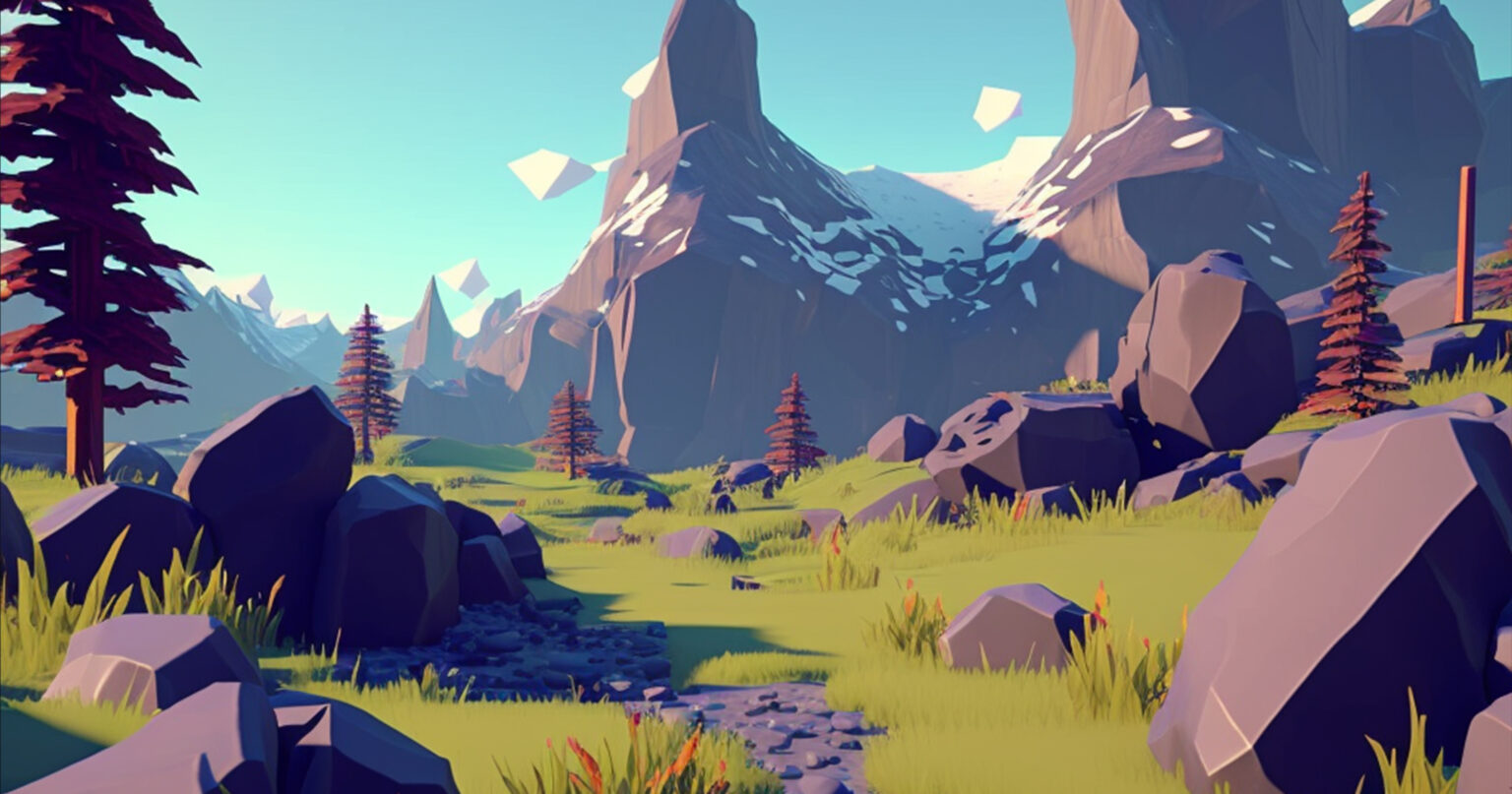
Procedural World Generation
Generative AI allows developers to create vast, procedurally generated worlds that are unique and expansive. By defining rules and parameters, the AI can generate terrain, landscapes, buildings, and even entire cities, offering players endless exploration possibilities. This approach not only saves development time but also ensures that each playthrough feels fresh and different.
Adaptive Characters and NPCs
AI-driven characters and non-player characters (NPCs) can now possess lifelike behaviors and adapt to the player’s actions. Generative AI algorithms enable NPCs to learn and evolve, making them more intelligent and responsive. This creates more immersive and realistic gameplay experiences, where interactions with characters feel natural and dynamic. NPCs can develop their own personalities, and preferences, and even form relationships with the player or other NPCs.
Dynamic Narrative Generation
Generative AI can transform storytelling in games by dynamically generating narratives based on player choices and actions. This technology allows for branching storylines, where the player’s decisions have a direct impact on the plot, providing a more personalized and engaging experience. As players progress through the game, the generative AI system adapts the story to ensure that it remains coherent and captivating.
Notable Examples in Games
No Man’s Sky

No Man’s Sky, developed by Hello Games, is a prime example of how generative AI can be utilized to create expansive and procedurally generated game worlds. The game features a vast universe with billions of unique planets, each generated using generative AI algorithms. The AI generates terrain, flora, fauna, and even planetary systems on-the-fly, offering players an infinite and diverse exploration experience.
Middle-earth: Shadow of Mordor
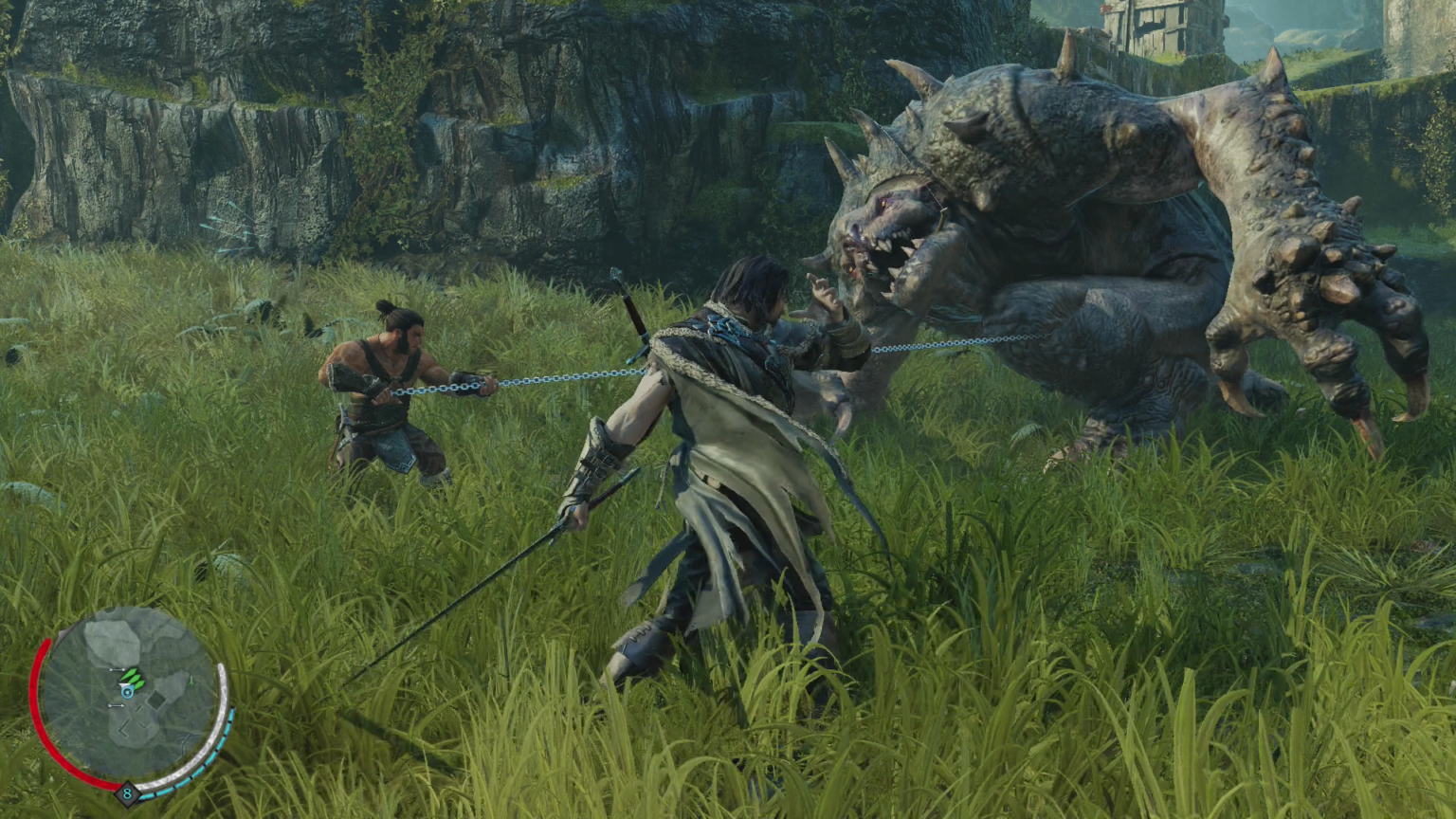
This action-adventure game developed by Monolith Productions introduced the groundbreaking “Nemesis System.” Powered by generative AI, this system creates unique enemy NPCs with their own personalities, strengths, and weaknesses. The AI algorithms track player interactions and dynamically generate rivalries, friendships, and reactions among these enemies. This innovative use of generative AI makes each playthrough of the game a personalized experience, as the player’s interactions directly influence the generated characters’ behavior.
Spelunky

Spelunky, developed by Derek Yu, is a critically acclaimed roguelike platformer that utilizes generative AI to create procedurally generated levels. The AI algorithms generate each level dynamically, ensuring that no two playthroughs are the same. This approach enhances replayability and keeps the game challenging and exciting, as players are constantly faced with new layouts, enemy placements, and hidden secrets.
Minecraft
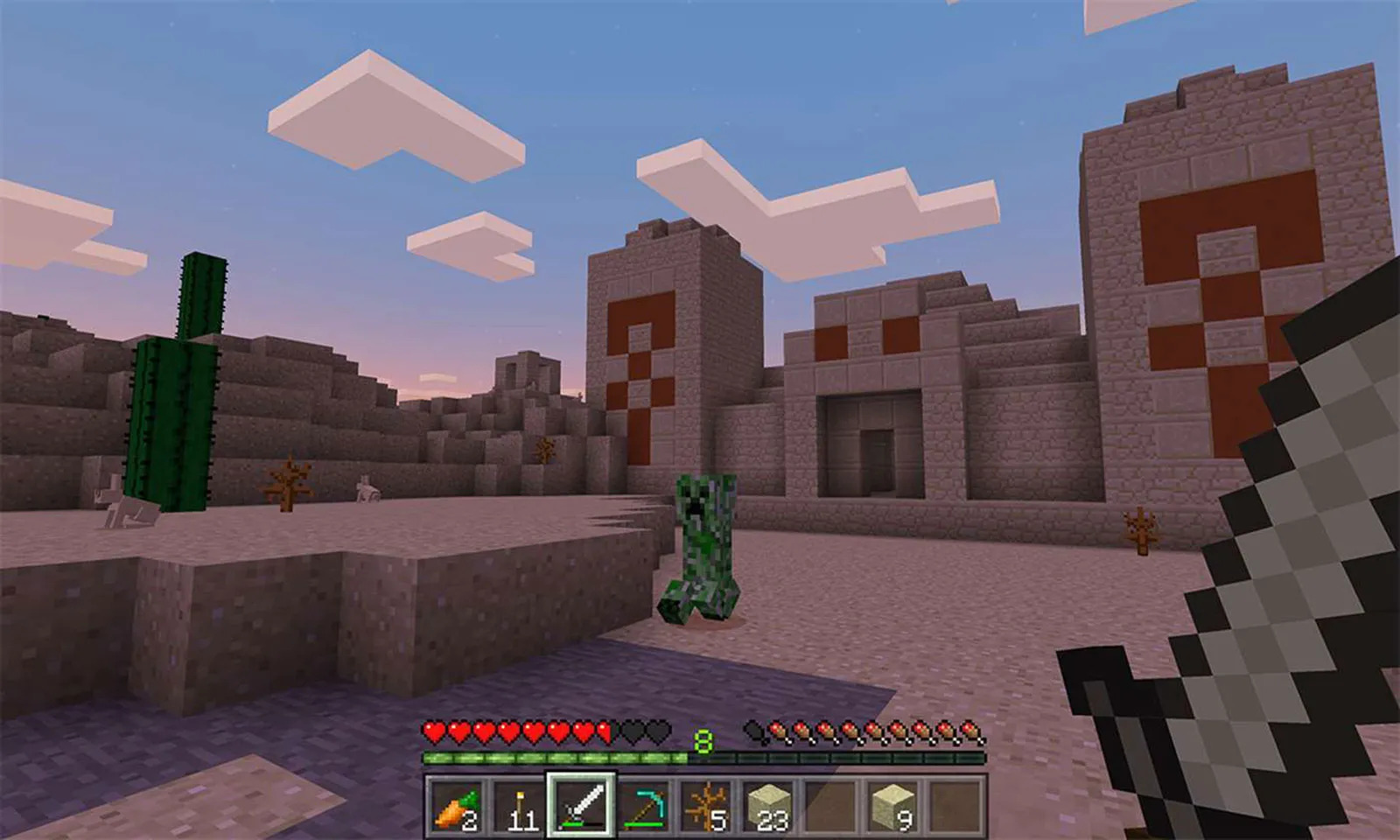
Minecraft, developed by Mojang Studios, employs generative AI to generate its iconic block-based worlds. The AI algorithms create vast landscapes, caves, structures, and biomes, offering players an endless sandbox to explore and build in. The generative nature of the game ensures that each new world generated is unique, providing players with infinite possibilities for creativity and exploration.
AI Dungeon

AI Dungeon, developed by Latitude, is a text-based adventure game that utilizes generative AI to create interactive and open-ended storytelling experiences. Players can input their actions and choices, and the generative AI generates responses and adapts the narrative accordingly. This allows for virtually unlimited possibilities and player-driven storytelling, where the AI responds dynamically to the player’s inputs, creating a unique and personalized adventure.
These examples demonstrate how generative AI has been integrated into game development to create dynamic and immersive experiences for players. Whether it’s generating expansive game worlds, adaptive characters, or dynamic narratives, generative AI technology opens up new avenues for creativity and player engagement in the gaming industry.
Perspectives and Future Possibilities
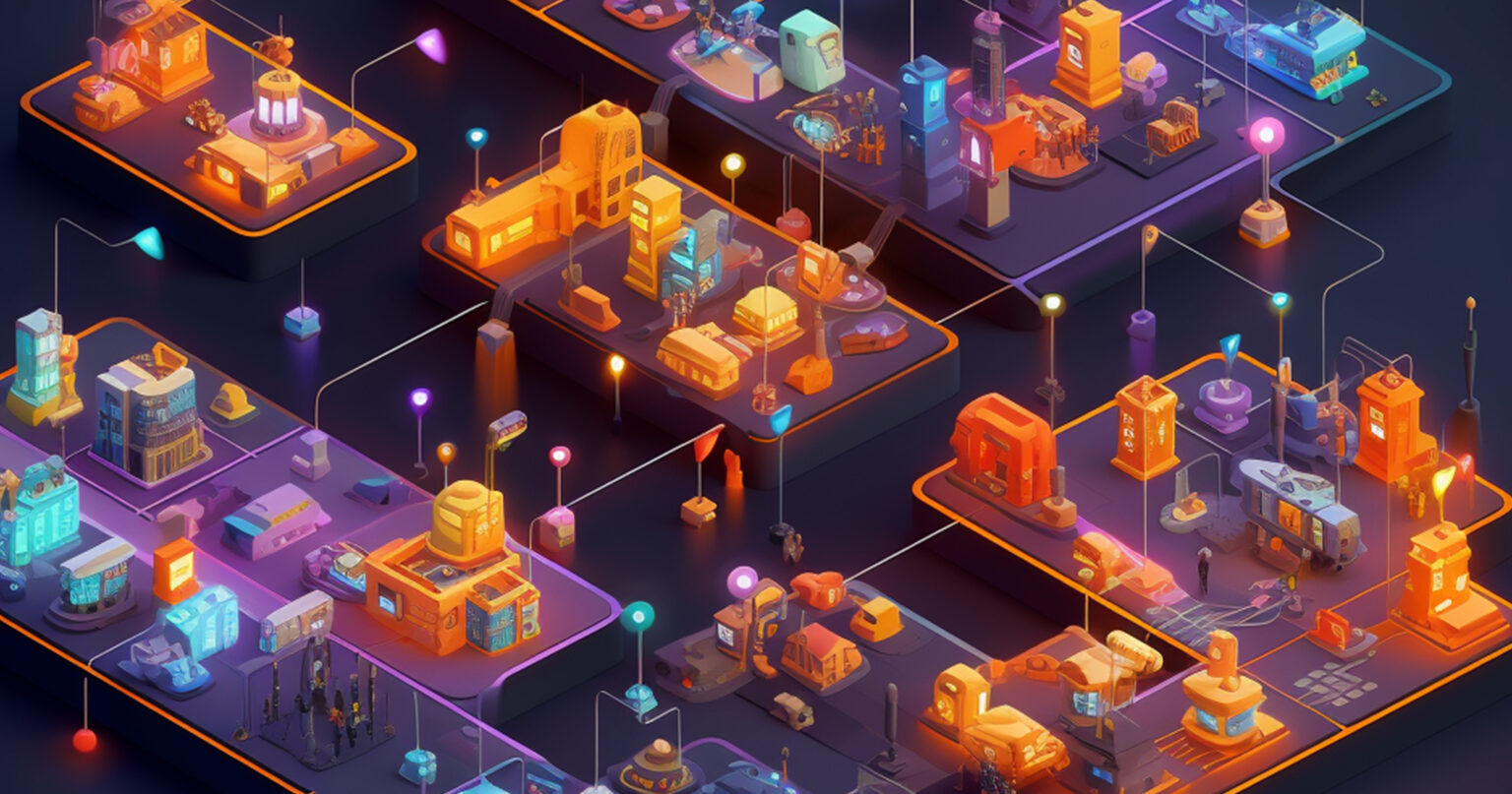
Generative AI has immense potential to transform the gaming industry in the future. As technology continues to advance, we can expect even more sophisticated and powerful generative AI systems in games. Here are some perspectives and future possibilities:
- With generative AI, players can expect deeper immersion in virtual worlds. Realistic, dynamically generated environments and characters will make gaming experiences more captivating and believable, blurring the line between virtual and real.
- Generative AI can create games that adapt to individual players, tailoring the experience to their preferences and play styles. AI algorithms can analyze player behavior and generate content or challenges specifically designed to match their skill level, providing a truly personalized gaming experience.
- The use of generative AI enables game developers to create games with virtually limitless content. Procedural generation techniques combined with generative AI algorithms can generate unique quests, levels, and even entire game worlds, ensuring that players always have something new to discover.
- Generative AI can facilitate collaborative game development, allowing designers and developers to work with AI systems to create content more efficiently. AI algorithms can generate assets, and design levels, and assist in playtesting, freeing up developers’ time to focus on higher-level creative tasks.
Conclusion
Generative AI technology has revolutionized the gaming industry, offering new possibilities for immersive and dynamic gameplay experiences. The ability to generate procedural worlds, adaptive characters, and dynamic narratives has enhanced player engagement and provided fresh and unique gaming experiences. With continued advancements in generative AI, we can expect to see even more innovative and immersive games in the future, where player interactions and choices shape the course of the game. The future of gaming is undoubtedly being transformed by the power of generative AI, and the potential for creativity and immersive experiences seems boundless.